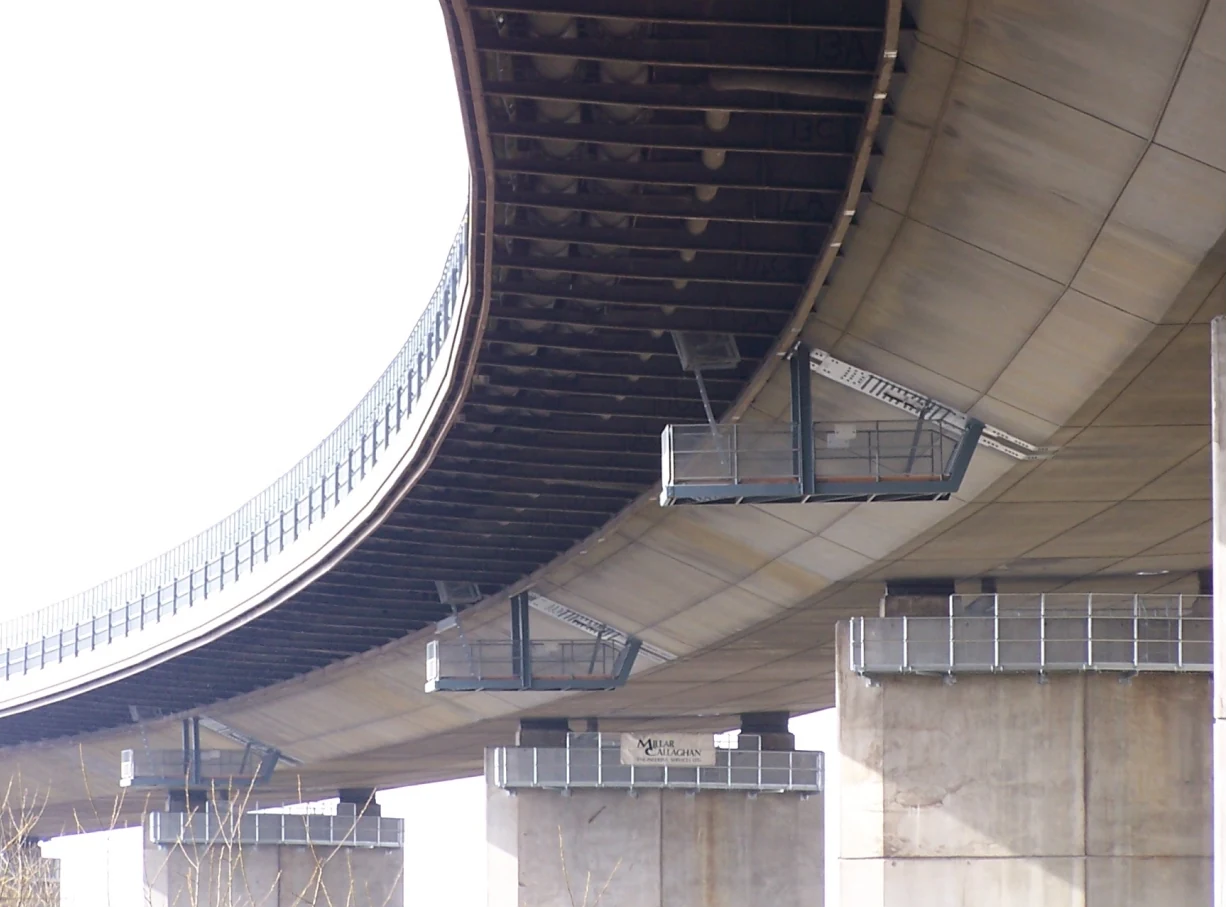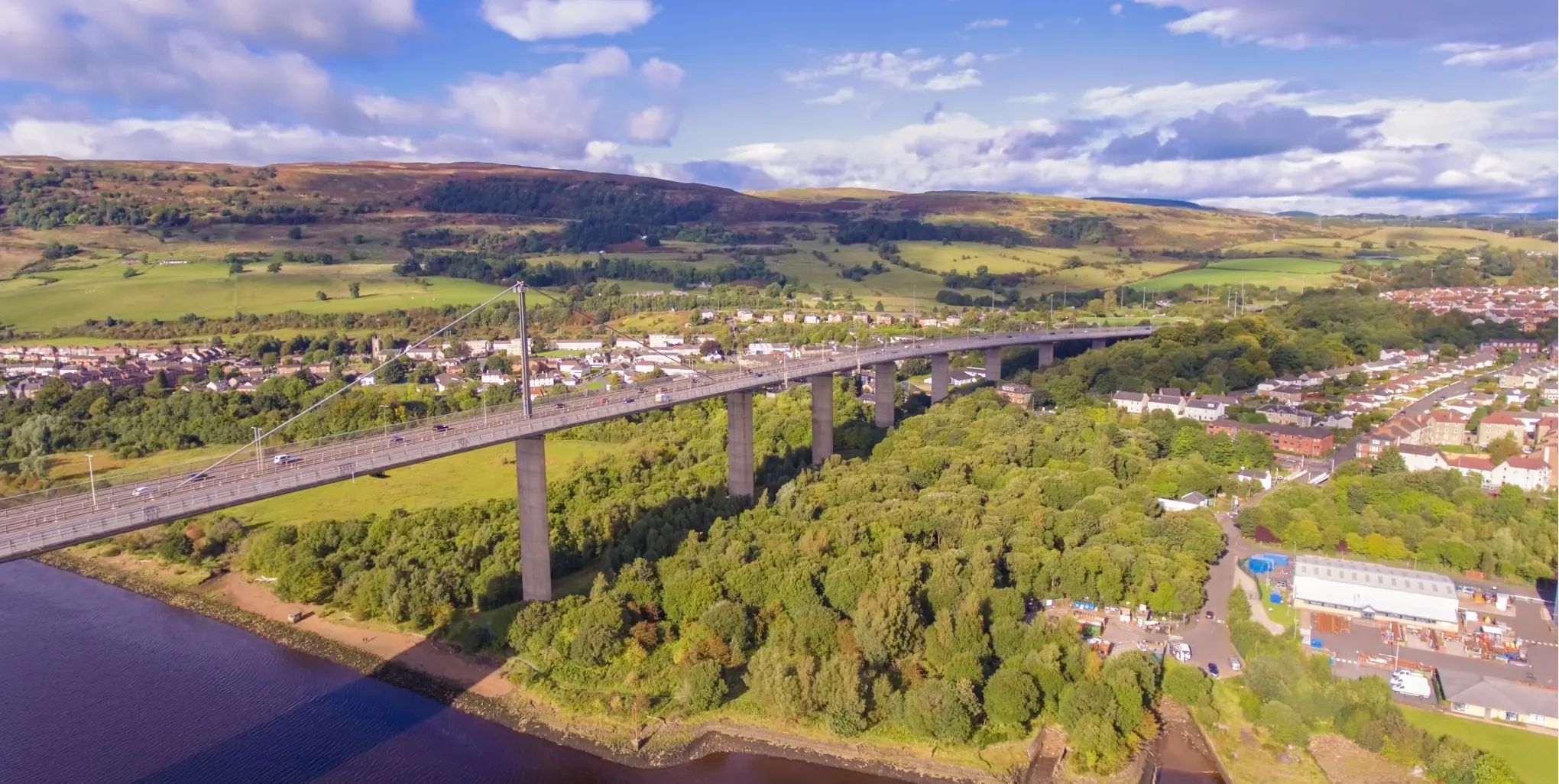
Spencer Bridge Engineering were awarded the contract by Transport Scotland to deliver an extensive programme of maintenance and painting on the Erskine Bridge. An element of the project involved the design and construction of a footway panel removal, refurbishment and reinstatement scheme.
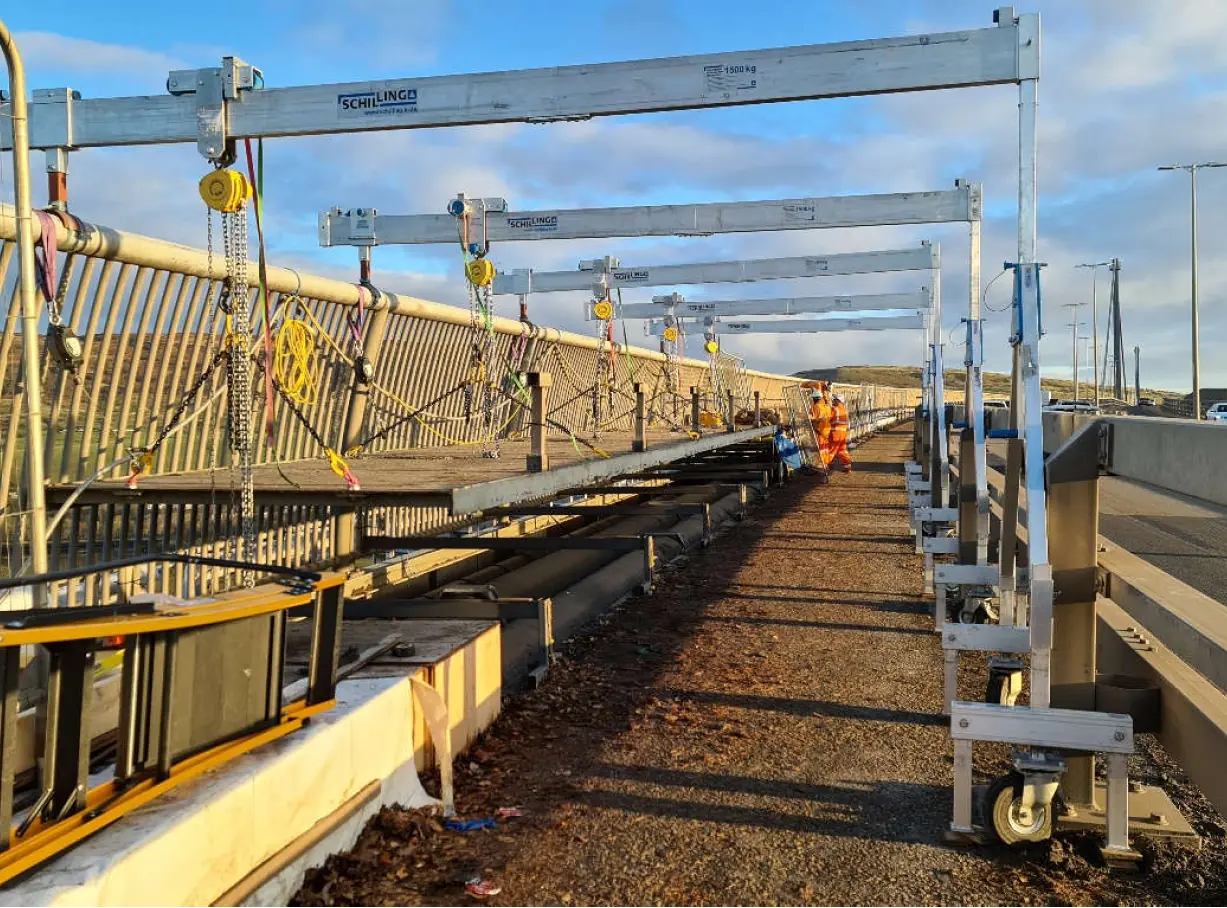
The major phases of work involved the removal, refurbishment, and reinstatement of 2.8km of the bridge’s footpath panels, including removal of redundant gas mains underneath.
Provision of specialist temporary access above and below the structure including surveying, inspection and strengthening of the existing steelwork were also required, alongside full paint removal, blasting and re-painting of the under-deck and towers to Series 5000 of the Highways Specification.
The project involved the project team applying 46,000 litres of paint across every part of the 1.3km length of the structure. This involved working at height over the River Clyde and crossing over a Site of Scientific Interest (SSSI), a live railway line and residential properties.
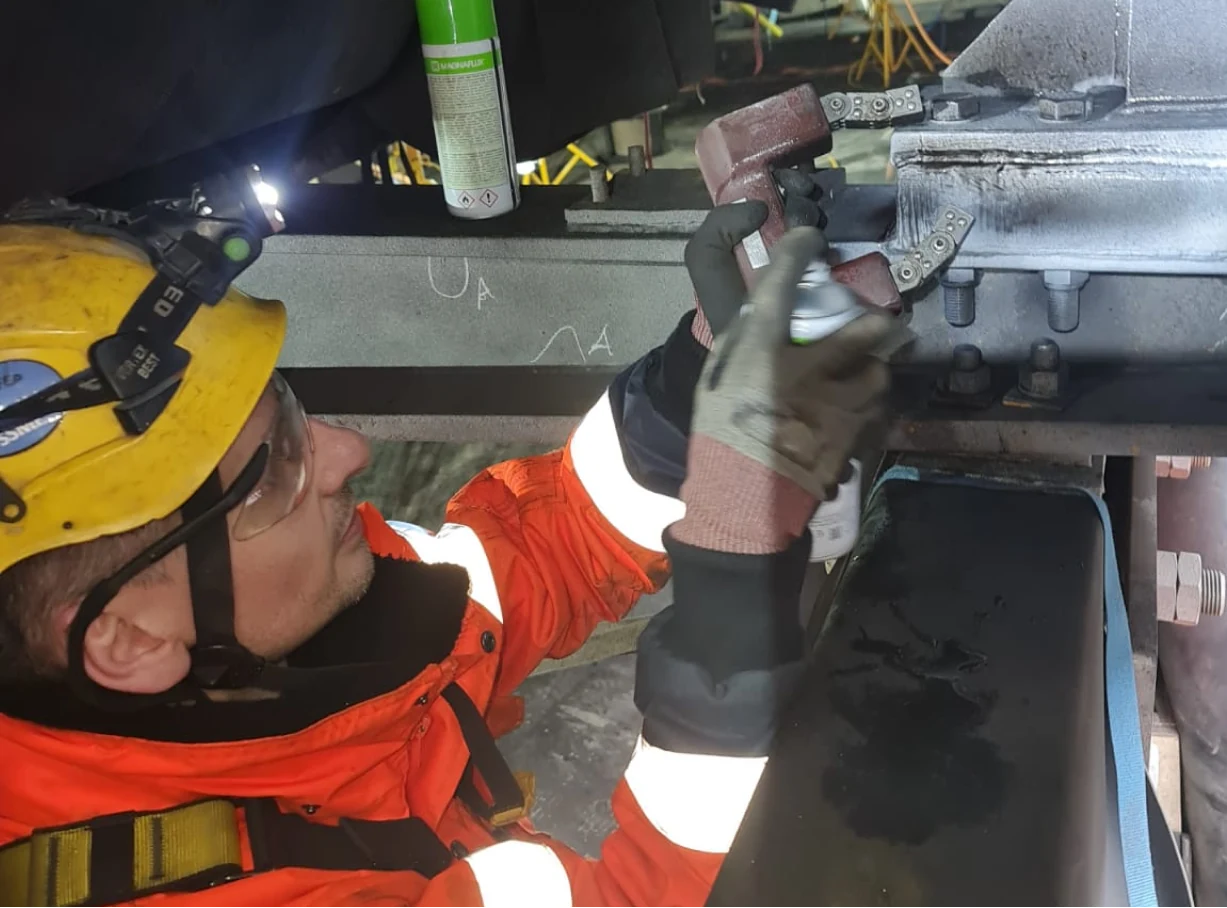
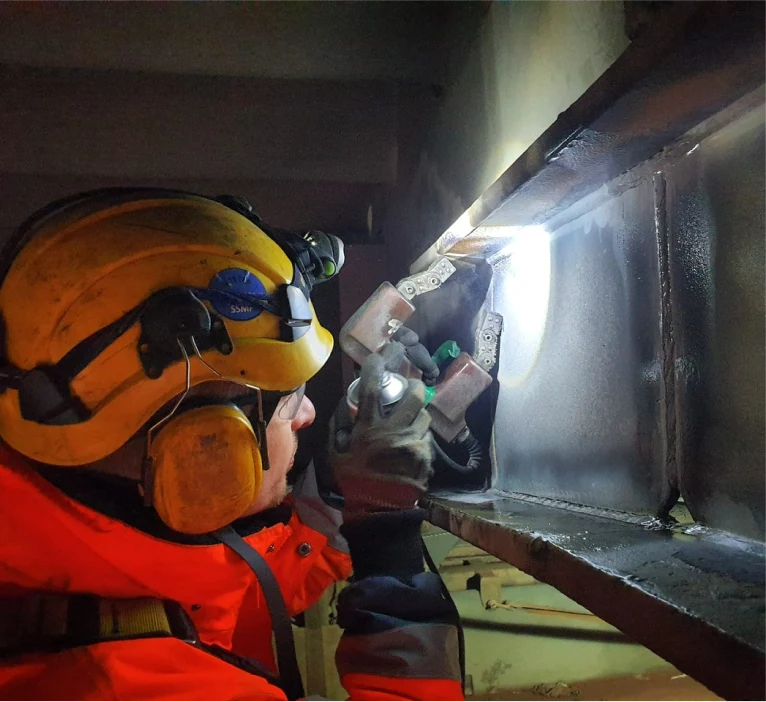
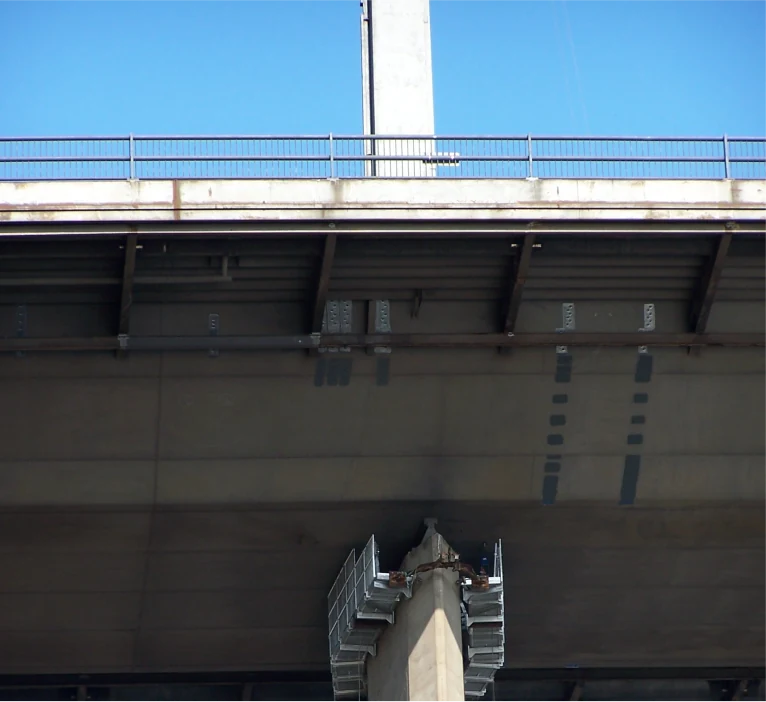
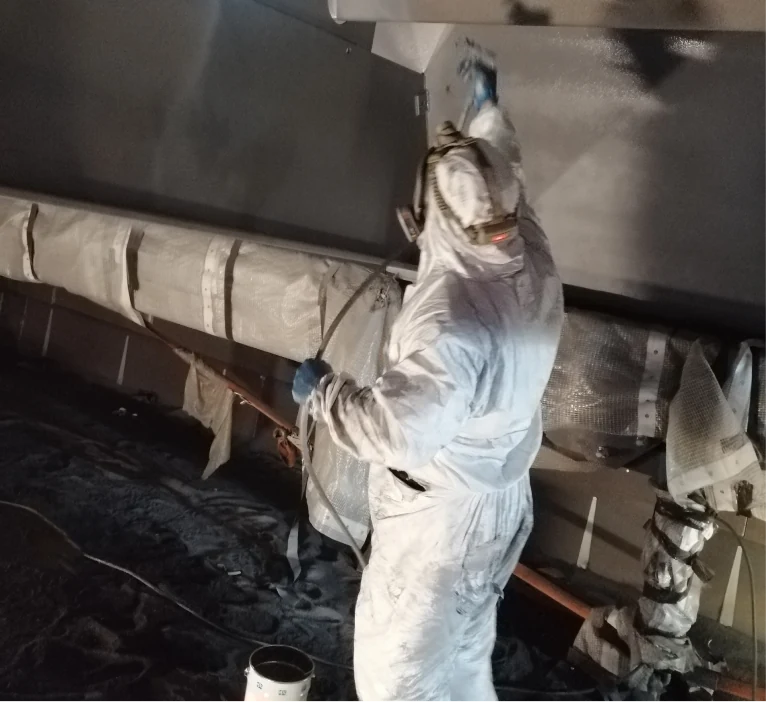
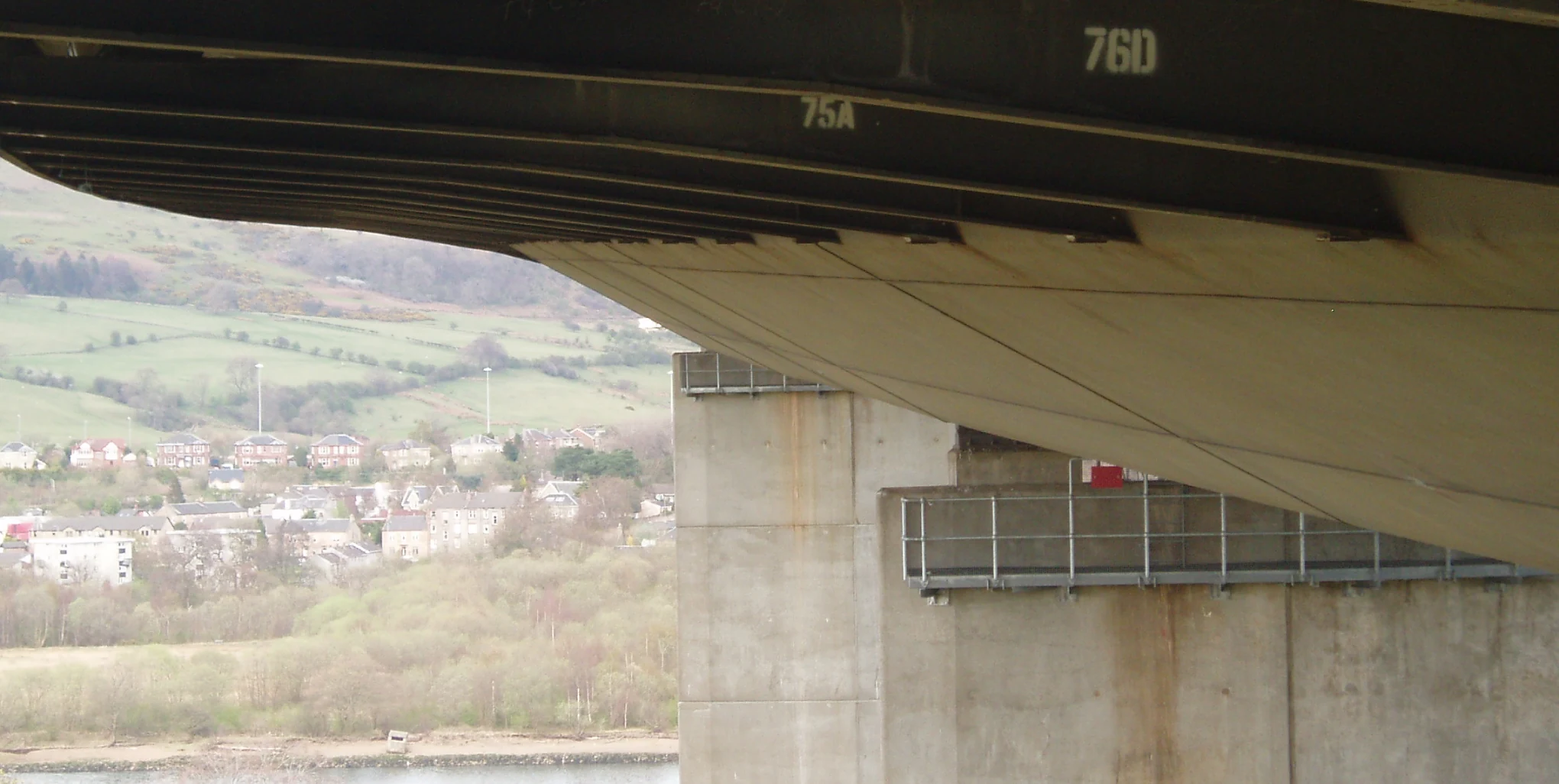
The works on the footway panel refurbishment offered Transport Scotland a high-quality solution designed to minimise impact on journeys across the bridge. Particular attention was placed on a live watermain which was situated below the footway panels and was in close proximity to live traffic, requiring careful planning and robust control measures throughout the works.
Significant loading constraints were placed on the adjacent cycleway of the bridge, resulting in the requirement for innovative temporary works designs and construction methodologies.
A feasibility study was carried out to determine the most efficient means of removing, refurbishing, and reinstating 160 footway panels, each of which were 17m in length weighing 4.5 tonnes.
The solution involved systems of lifting davits, bespoke handling units, utility vehicles, and trailers to remove the footway panels off-site for refurbishment, all within the confines of the narrow adjacent cycleway. This operation eliminated the requirement for any traffic management, lane closures and lifting operations from the road envelope.